The ship was enormous. Four thousand passengers, fourteen decks, a water slide. I stood in the boarding queue at Bergen harbor feeling like I'd made a mistake. The kind of mistake you can't undo once you're on.
See, I'm the kind of traveler who avoids things that come with gift shops and audio guides. I go for the gritty industrial ports, the neighborhoods where tourists don't go, the restaurants where nobody speaks English and the menu is in a script I can't read. This cruise ship existence—this packaged, optimized, pre-planned existence—felt like everything I normally fled from.
The first stop was Geirangerfjord, which I learned was the most photographed fjord in Norway. Which explained why there were approximately eight hundred people already standing at the viewpoint when we arrived, all arranging themselves in the same spot to capture the same shot. The waterfall was real—actually quite impressive, the water crashing down from a height of around 250 meters—but it was hard to appreciate through the crowd of people photographing it.
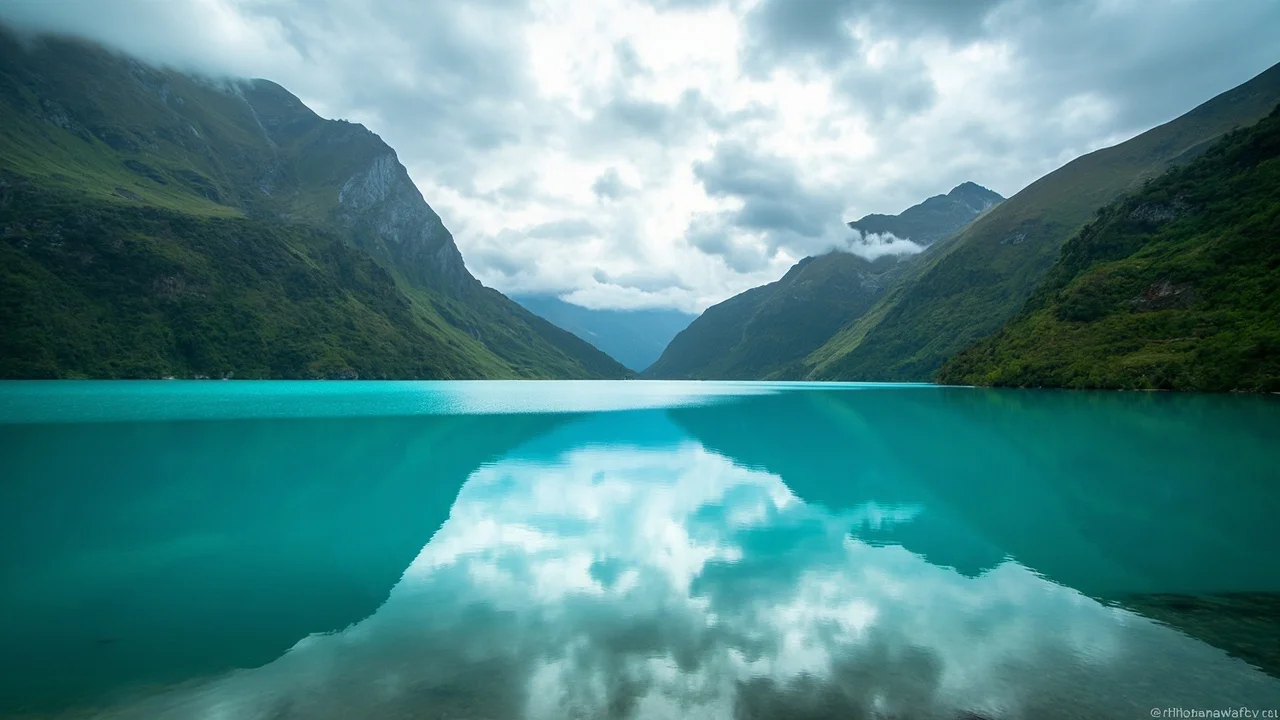
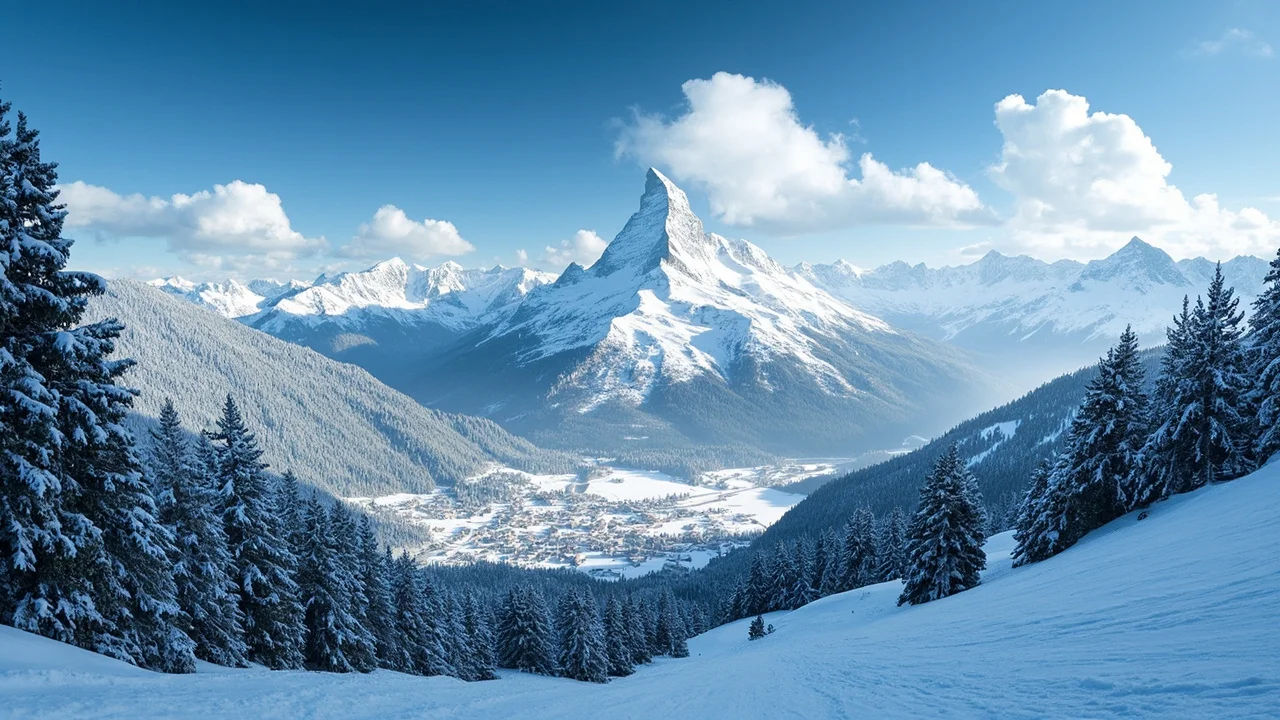
I got a photo of the waterfall. It was fine. The water was blue-green in a way that looked edited, probably because phone cameras auto-enhance everything now. The mountains did the dramatic mountain thing they always do in Norway, which is to say extremely dramatically.
I ate lunch on the ship and thought about getting off at the next port and just... staying. Taking a later ship. Doing the fjord my way, whatever that meant. But my time was limited and the logistics were complicated and I'd already paid for the whole thing.
Then something happened.
The afternoon crossing to Ålesund was rough—the captain announced we were entering a weather front, winds of thirty knots, and suggested people stay indoors. The ship rolled in a way that made the coffee in my cup move dramatically sideways. Spray came over the bow in sheets.
Most passengers were miserable. Some were seasick. A few kids were absolutely delighted by the chaos, treating the whole thing like a theme park ride.
I went up to the open deck because I've never understood the point of being on water if you're not actually feeling it. The waves were genuinely enormous. The ship rose and fell in ways that felt personal, like it was making a point about human insignificance. I held onto a railing and just stood there while the Atlantic did its thing.
At one point, around 3 PM, the clouds broke. Just for a minute. Light hit the water, the cliffs, the distant snowfields, and everything turned gold for maybe thirty seconds before the clouds closed again. The ship quieted. People pulled out their phones. Someone near me said "oh wow" in a voice that suggested this was the first sincere thing they'd said all day.
An older Norwegian crew member came to check the deck, saw me standing there with my hair full of salt spray, came over. He was maybe sixty, with the weathered face of someone who'd spent a lot of time on water.
"Beautiful, yes?" he said. Not a question.
I nodded.
"You know what the tourists don't see?" he said. He had a slight accent, the kind that comes from growing up speaking one language and learning another later. "In winter, this water freezes. Some years the fjord is solid ice for months. Then in spring, the ice breaks up. Sounds like gunshots, they say. Like the mountain is waking up."
He told me he'd grown up in a village on one of the smaller fjords—a place you can't reach by these big cruise ships, accessible only by boat or a long hike. His father was a fisherman. His grandfather was also a fisherman. He'd left to work on cruise ships forty years ago and never went back, though he still went home every Christmas.
"I love this now," he said, meaning the ship, the job, the water, the constant movement. "But when I go home, it's different. Smaller. Quieter. The silence there—" he paused, searching for English words. "It's not like here. Here there's always the engine. The people. The movement. Home is just... the mountain. The water. Nothing else."
That night I skipped the scheduled dinner in the main dining room—five courses, assigned seating, the whole production—and ate a cheese sandwich in my cabin, looking out at the dark water and the few distant lights of small harbors.
The next morning we stopped at a tiny port that wasn't on the cruise itinerary. A last-minute change because of weather, the captain said. The town had about two hundred residents, a single grocery store, a fish processing plant that smelled like the ocean concentrated. No tourist infrastructure whatsoever.
I walked around for an hour, past houses with flower boxes and boats pulled up on shore and a church that looked like it'd been there since the 1600s. A woman was walking her dog near the water. She waved. I waved back.
"What's this place called?" I asked.
She laughed. Told me the name. Added that most cruise ships didn't stop here because there was nothing to sell. No souvenir shops. No historical sites worth writing about. Just a town where people lived, doing ordinary town things.
I sat on a bench near the water for a while, watching a fishing boat come in with the morning's catch. Two men unloading crates. A cat watching from a nearby rock with the specific intensity of a predator who knows he has no chance.
Sometimes nothing is exactly what you need.
The ship horn sounded. I walked back up the gangway. The four thousand passengers were mostly still having breakfast.
I didn't tell anyone about the town. It felt like something that would lose something in the explaining.