The first day I fell seventeen times. Not impressive falls. Small, embarrassing tumbles onto the bunny slope while children skied past me with their professional posture and their rental equipment that fit properly. The children were maybe six. They had better balance than I did at thirty-four years old, with a college education and a mortgage and the ability to do long division in my head.
My instructor's name was Kurt. He was sixty-one, had been teaching skiing since he was nineteen, and had the calm patience of someone who'd seen every possible version of adult helplessness on the slopes. He'd taught bankers who'd never failed at anything and didn't know how to handle it. He'd taught retirees who'd decided to try skiing one last time. He'd taught teenagers who thought they knew everything and adults who'd forgotten everything.
"You're thinking too much," he told me around noon. "Your body knows how to balance. Your brain is interfering."
He was right. I was so focused on the technical elements—the pizza versus the French fry, the weight distribution, the pole plant—that I'd forgotten bodies generally know what to do when moving downhill. We'd been walking since we were babies. We'd been running, jumping, navigating obstacles. The muscles knew this. My brain was the problem.
By day three, something clicked.
Not that I was good—I was definitively not good. But I could link turns consistently. I could stop when I wanted to stop. I could navigate a green run without incident, most of the time. The falls dropped to maybe three per day instead of seventeen.
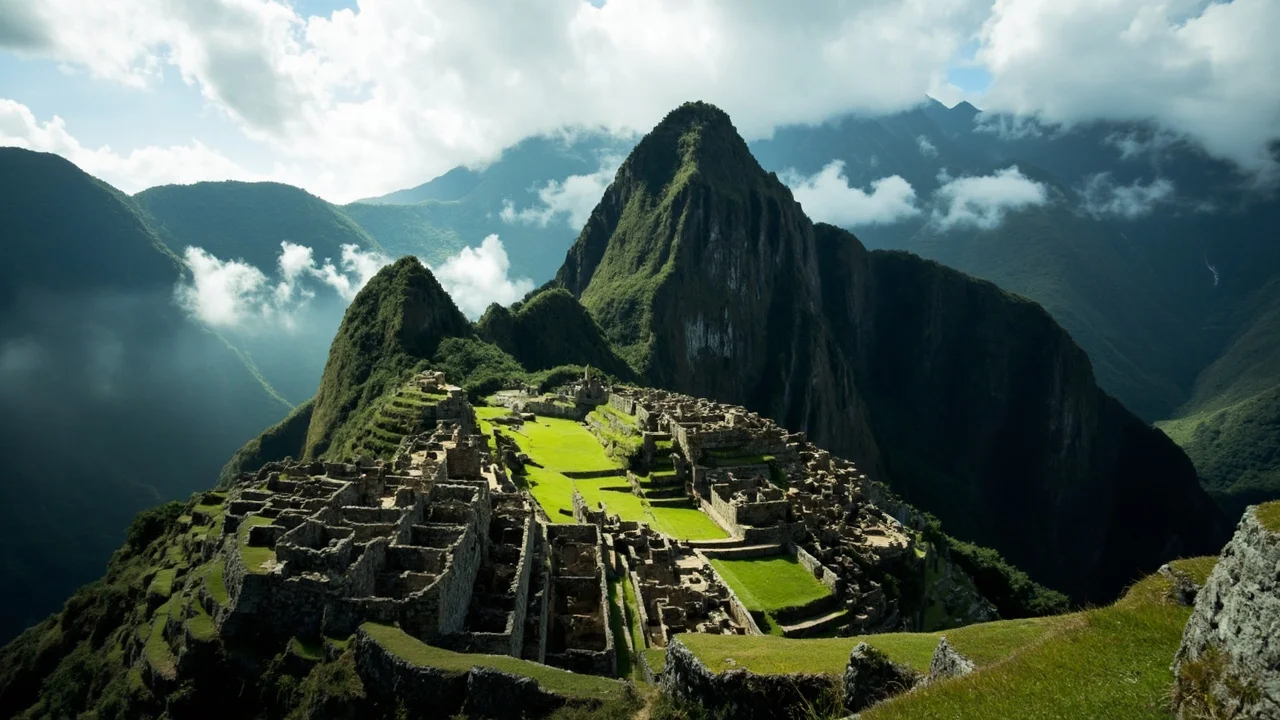
The runs around Zermatt are famous for a reason. The Matterhorn is literally always there, this impossible triangular mountain that doesn't look real no matter how many times you see it. The snow is excellent, the kind of snow that makes you understand why people spend so much money on this sport. The lifts are efficient. The restaurants on the mountain serve fondue that costs approximately one month's rent and is somehow worth every centime.
I ate lunch at a mountain hut on my fourth day, alone, watching people who were infinitely better than me carve perfect arcs down black diamond runs I'd never attempt. The skiers moved like water, like they'd been born doing this, like their bodies and the mountain had an understanding.
The waiter was a local kid, maybe twenty, home from university for the season to make some money. He'd been skiing since before he could walk. He didn't find it special anymore—the mountain was just his backyard, the way some people's backyards have grass or pools or nothing at all.
"I mean, it's beautiful," he said. "But you grow up with it and it becomes just... your backyard."
I thought about that phrase all afternoon. Just your backyard. The most dramatic mountain scenery in Europe, the kind of landscape people save up for years to photograph, and for him it was just where he grew up. The wonder had worn off, replaced by familiarity, which is maybe its own kind of loss.
That night I went to a bar in town where the ski instructors gathered after work. Kurt was there with some colleagues, a few beers in, talking about snow conditions and politics and ordinary things. They invited me to join, which was either kindness or politeness or the particular generosity of people who've had a few drinks and find a stranger's company preferable to their own.
We talked until midnight about nothing important. About the best runs nobody knows about. About the worst tourists they'd encountered. About whether the Matterhorn looked different this year or whether that was just their memory playing tricks.
I left the next morning with a ski pass I'd bought for three more days and no plans to leave.
The skiing itself is fine. It's great, actually, in the way that challenging physical activity is great when you finally stop fighting it. But what I fell in love with was the culture around it—the mountain huts, the instructors who've been doing this for decades, the locals who've made peace with living in one of the most beautiful places on earth.
Sometimes the scenery is just the backdrop for something more important.
I still can't ski very well. But I'm still going. Kurt says I'll get it eventually. I'm starting to believe him.
On my last day, I tried a blue run. Not because I was ready. Because the green run had become boring and I was feeling reckless.
I fell four times. Got up four times. Made it down in one piece, which is maybe the only measure that matters.
Kurt was waiting at the bottom. He'd heard about my attempt, because in Zermatt everyone knows everyone's business, especially if you've been there long enough to become a regular.
"Not bad," he said. "Not good. But not bad."
This was high praise from Kurt. I'd learned to read his limited praise language by then.
I went back the next year. And the year after that. Still not good. Still falling. But still going.
The Matterhorn didn't change. I did, a little. Maybe that's enough.