I was forty-four and felt seventy. Not metaphorically. Literally. The knees that had been fine at thirty were suddenly complaining on stairs. My hands were stiff after typing. The lower back that I'd always taken for granted was letting me know, every morning, that it was there.
I'd assumed this was just what getting older felt like. The body's slow decline. The entropy that waits for us all. I was a realist about it, or thought I was.
My orthopedist took X-rays, said everything looked normal for my age. No visible damage. No explanation for the pain. My GP ran blood tests, said inflammation markers were slightly elevated but nothing alarming. Nothing that warranted medication, just "watch it."
Watch it. Like it was a stock I was holding. Like I should monitor it and maybe sell if it got worse.
I started reading about inflammation because nobody was giving me useful information. What I found: chronic inflammation is connected to all sorts of things. Not just joint pain. Heart disease. Diabetes. Possibly depression and Alzheimer's. The research is ongoing but the connections are there.
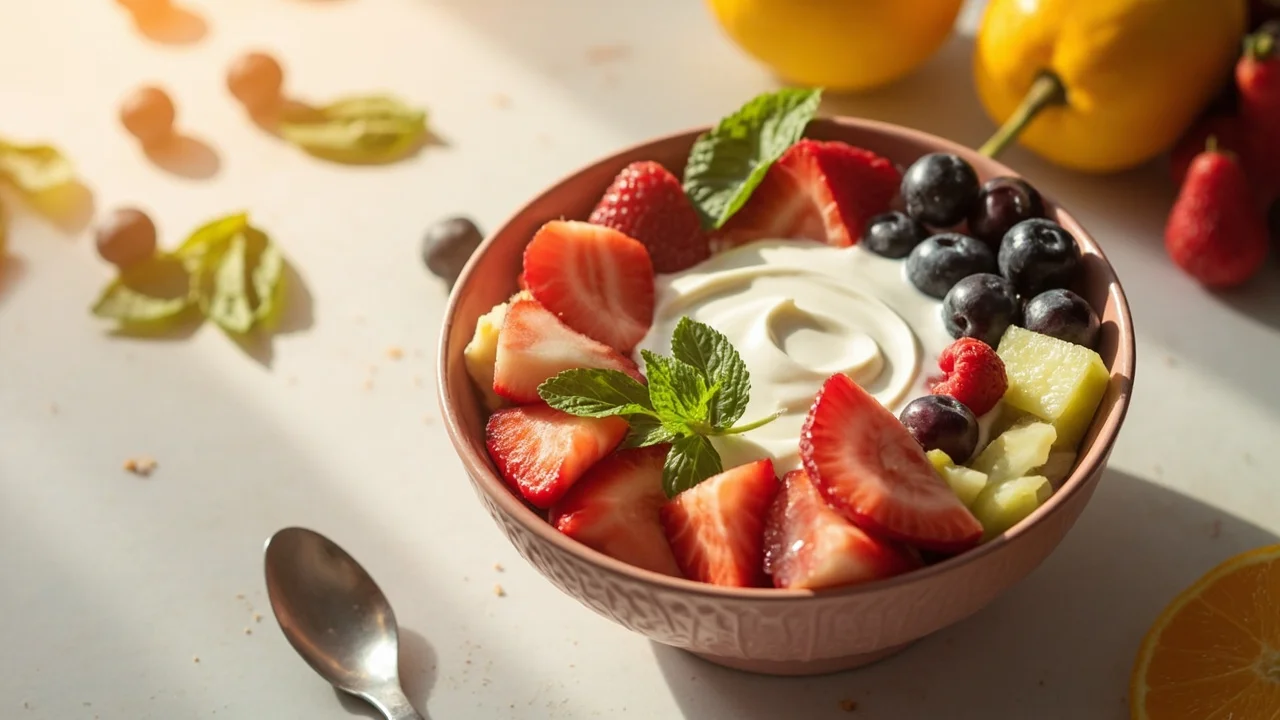
The anti-inflammatory diet isn't one specific thing. It's a general approach: more whole foods, less processed foods. More omega-3s, fewer omega-6s. More vegetables, less sugar. Mediterranean-style eating with its emphasis on olive oil and fish and vegetables. The researchers agree on more than they disagree on.
I didn't do it perfectly. I did it approximately. This is important—nobody does anything perfectly, and the all-or-nothing approach to diet is just another way of setting yourself up to fail.
The biggest change: I stopped eating so much processed food. Frozen dinners. Packaged snacks. Restaurant food most nights. I started cooking more, which I'd always hated but learned to tolerate because the results were worth it.
I ate more fish. More leafy greens. Used olive oil instead of vegetable oil. Cut back on bread, which I love but which seemed to correlate with morning stiffness.
The changes were gradual. Week two, maybe slightly less stiffness. Week four, noticeably better. By month three, the difference was significant.
I still have bad days. Weather changes seem to matter—I can't control that. Some foods are still triggers if I eat too much. But the baseline is better. Mornings are easier. My hands work better. The seventy-year-old feeling is gone.
I don't know exactly what I was reacting to. Could be sugar. Could be processed vegetable oils. Could be just eating more whole foods and less junk. The human studies are messy—all that self-reported data—but the mechanism is plausible.
What I know: what you eat affects how you feel. Not instantly, not dramatically, but over time.
My orthopedist was mildly interested when I told him. Didn't have an explanation, said it tracked with what some patients reported, but he hadn't seen the research compiled like that.
The medical system is good at diagnosing. Less good at nutrition. Which is its own problem.
I eat better now. Not perfect. But better.
That's enough.
The anti-inflammatory diet isn't sexy. It won't sell books or supplements or fancy products. It's just food. Real food. Less processing.
That's the real secret, I think. Not any specific diet. Just eating real food.
The rest is details.