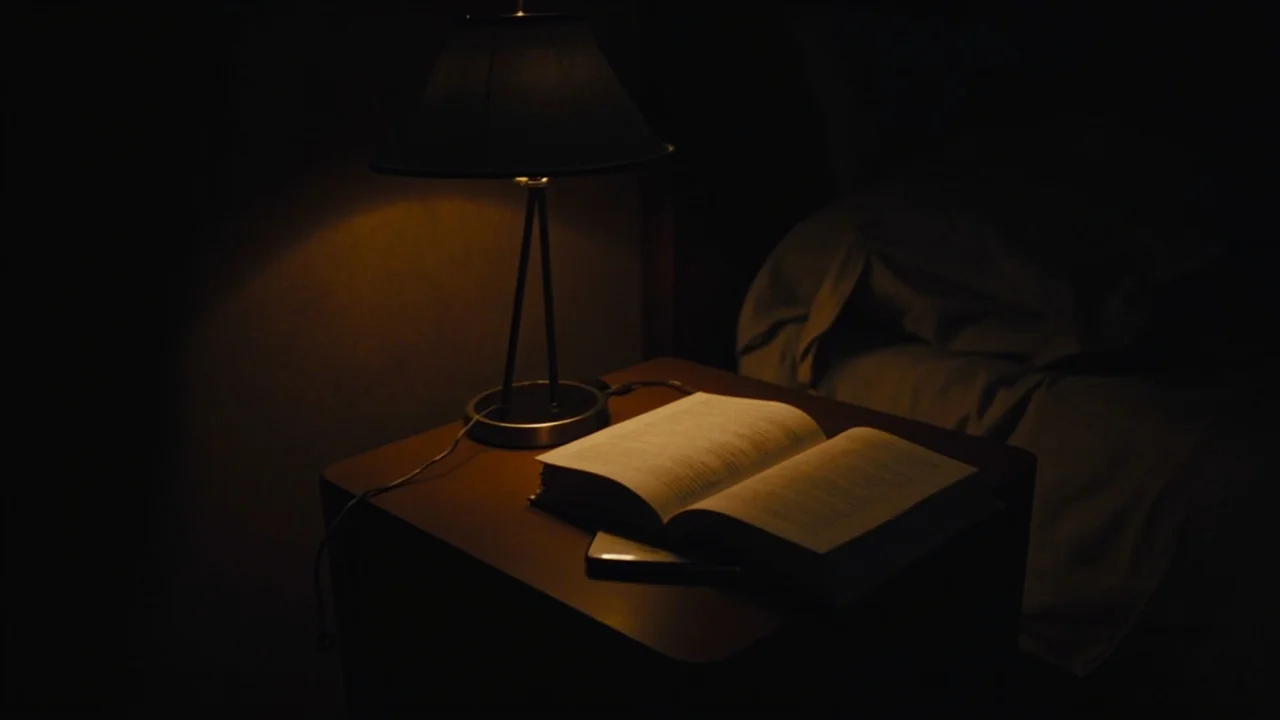
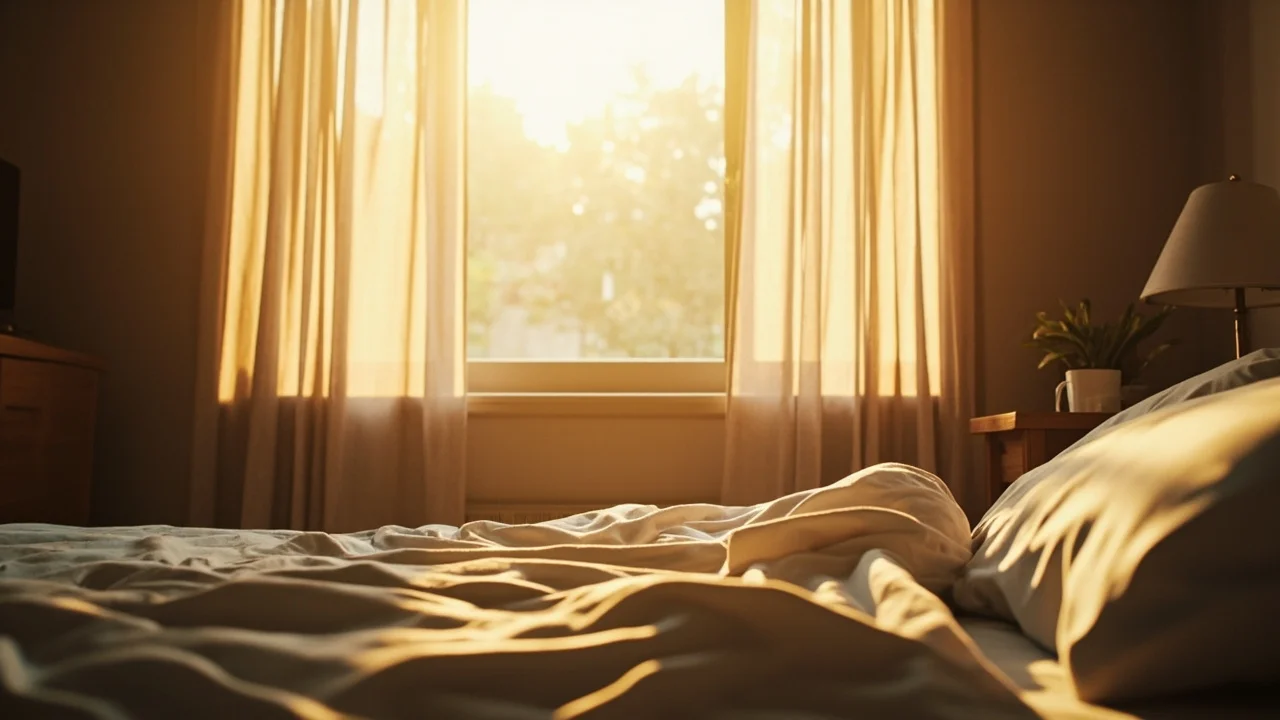
I am not a morning person. I have never been a morning person. When I was in college I took classes that started at noon because anything earlier was a waste of my tuition money, since I wouldn't retain anything before noon anyway. This was not rebellion. This was self-knowledge.
And for the past twelve years, I've been trying to change it.
My job required early starts. 7:30 AM standups. Client calls at 8. The whole world, it seemed, was optimized for people who woke up and became functional immediately, who drank their coffee and emerged as fully-formed productive humans. Morning people. The chosen ones. The ones who had their lives together.
I was not that person. I emerged as something irritable and slow for the first two hours, fully conscious but not fully present. I'd drink coffee and still feel like I was operating through fog. Peak somewhere around 2 PM. Useless again by 6, when my brain decided it was done for the day and wanted to be horizontal.
My therapist suggested I might be fighting my chronotype. She'd been reading about this stuff—how your body's natural sleep-wake cycle is partly genetic, how some people's cortisol peaks in the morning (morning types) and others peak later (evening types), how morning people and evening people have fundamentally different biological rhythms that affect everything from reaction time to body temperature to meal preferences.
I thought this was an excuse. Lazy people make excuses about their body clocks. Ambitious people adapt. They wake up early. They train themselves. They become who they need to be.
Then I went on vacation.
A week in Portugal, nothing to do, no schedule, no meetings, no reason to be anywhere at any specific time. I slept when I was tired and woke up when I woke up, which on day one was 11 AM and by day four had stabilized at 1:30 AM to 10:00 AM. I was getting seven and a half hours of sleep, consistently, without trying. I felt—what's the word—normal. Like a person whose body was working correctly.
The weird part: during that week, I wrote more than I had in the previous three months combined. The creative work that had been impossible at 7 AM happened easily at midnight. The reports that took all morning took an hour at 2 AM. My brain did its best work when the sun was down.
When I came home and returned to my normal schedule, the fatigue returned. The morning fog. The coffee dependency. The two-hour transition period from unconscious to functional.
My doctor ran some tests. Nothing wrong. She suggested the same thing my therapist had: work with your chronotype, not against it. If you're an evening type, find a job that accommodates it, or negotiate a later start time, or find an employer who doesn't care when you work as long as the work gets done.
I tried talking to my manager. She was skeptical. "Why can't you just become a morning person?" she asked. She was a natural morning person. She literally jogged before work, came in energized, left at 5 feeling like she'd accomplished everything. She couldn't understand why anyone would choose to be otherwise.
The research on this is genuinely mixed. Yes, chronotypes are biological. No, you can't fully change yours. But you can work around it, accommodate it, stop treating it like a character flaw.
I'm still figuring this out. I'm job searching, partly because of this and partly for other reasons, but partly because I can't keep fighting a schedule that costs me four hours of functional life every day. The morning meetings that I'm useless for. The afternoon meetings that used to be my best time but now conflict with mandatory morning starts.
Some people are built for the early shift. Some of us do our best work when the sun goes down.
That's not laziness. That's biology. And fighting biology has costs.
I finally stopped fighting.
The job I found is remote. Flexible hours. I do my standup at 10 AM, which is still early for me but manageable. The important meetings are in the afternoon. The deep work happens in the evening, when my brain finally kicks in.
My performance reviews are better now. Not dramatically, but noticeably. I'm contributing more in meetings because I'm actually present. The quality of my writing has improved because I can do it when my brain works best.
My manager doesn't understand. She still thinks I should train myself to be a morning person. She cites articles about successful people who wake up at 5 AM. I don't tell her that correlation isn't causation, that those articles are written by morning people for morning people, that the successful evening types don't write articles about their routines because nobody asks them.
I just do my work. At the times that work for me.
The world is slowly accommodating this. Some companies are recognizing that flex schedules improve productivity. Some offices are experimenting with core hours instead of fixed hours. It's not universal, but it's happening.
Maybe someday the question won't be "why can't you be a morning person?" It will be "what time works best for you?"
Until then, I'll be over here, doing my best work after dark.